WASHINGTON, DC — A Washington, D.C. woman turned to an unusual form of pest control after discovering clothes moths had eaten holes in her vintage wardrobe, including a Taylor Swift dress. Instead of tossing the damaged items and reaching for a typical spray, she introduced 10,000 parasitic wasps into her home to target the infestation.
Julia, who posts on TikTok as julesisthrifty, shared the experiment with her followers and said the idea felt “a little scary” even as she sounded excited about it. The tiny insects arrived as part of a biological-control approach, and she placed them in her closet and a cotton shirt drawer where moth activity had been a problem.
How the closet battle began with damaged vintage clothing
The trouble started when Julia noticed moth damage in pieces she had collected and cared for over time. Her vintage wardrobe was the main focus of the infestation, and the sight of holes in a Taylor Swift dress made the problem feel especially personal.
Rather than treat it as a one-clothing setback, she treated it like a broader closet emergency. That led her to look for a method that would attack the moth eggs directly instead of simply masking the problem or relying on chemicals. In her explanation to viewers, she described the wasps as a way to stop the moth life cycle before the insects could keep spreading through her clothes.
Her comments showed a mix of nerves and enthusiasm. She said she was “super excited” to unleash the tiny “bad boys,” even though the setup sounded dramatic to anyone hearing about 10,000 wasps in a home closet for the first time.
What the parasitic wasps were supposed to do
The insects Julia used were not the kind of wasps people usually worry about outdoors. They were Trichogramma wasps, which are about 1 millimeter or smaller and are too small to sting humans.
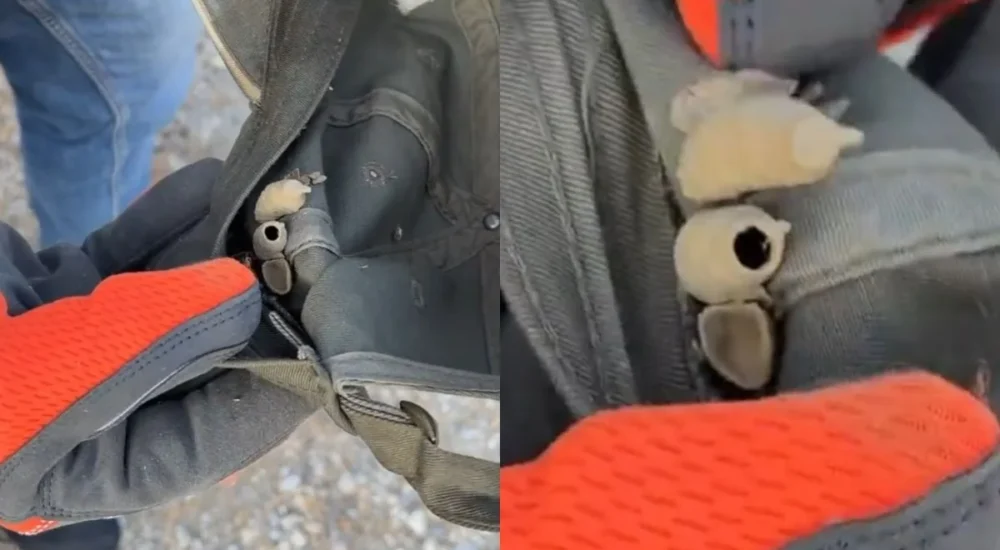
Julia said the wasps arrived inside parasitized moth eggs that were attached to three small hangers. Some had already started to emerge when she received them, so she moved the hangers into the closet and shirt drawer where the moths had been active.
Her description matched how the method works in practice. The wasps lay eggs inside moth eggs, which destroys the moths before they can continue the infestation. Julia said the insects would eventually die off within a couple of weeks once they ran out of food, meaning the moth eggs they were meant to eliminate.
Why mothballs were not the easy fix some commenters suggested
As the TikTok clip spread, viewers quickly weighed in with ideas of their own. One asked why mothballs were not being used instead, but that option is not as simple as it may sound. Experts generally recommend mothballs only inside airtight containers because the vapors can pose risks to people and pets.
That detail helped explain why Julia may have preferred a more targeted biological approach. For her, the goal was to fight the infestation without filling her living space with something else that could create new concerns. She also kept her tone playful, wishing the wasps luck with a cheerful “Good night, wasps.”
The reaction in the comments showed how unusual the method sounded to many viewers. Some were skeptical, while others seemed intrigued by the science behind it and by the idea of using one insect to defeat another.
Viewers split between alarm and support
Not everyone watching the video was comfortable with the idea of tens of thousands of wasps in a closet. One commenter said, “I don’t see how this is possibly a good idea,” capturing the instinctive reaction many people might have at first.
Still, other viewers defended Julia’s choice and said parasitic wasps can be effective against moth problems. One person wrote that their brother had pantry moths and that the wasps were the only solution that worked. That kind of response reinforced the sense that the method, while surprising, is not random internet folklore.
When another viewer asked whether the insects sting, Julia replied that they do not. She described them as harmless to humans and pets, a reassurance that helped explain why the method is used in homes instead of feeling like a dangerous stunt.
Why science-backed pest control can look strange at first
Julia’s story highlights how pest control can look bizarre when it is reduced to a single number, like 10,000 wasps. But the basic approach is grounded in biology, not novelty. Parasitic wasps are used to kill moth eggs, and that makes them a practical tool when clothes moths threaten stored textiles.
That is especially relevant for people who collect vintage fashion or secondhand pieces that may need extra protection. A moth infestation can quickly turn a beloved garment into something unwearable, which is why Julia’s reaction centered on preserving what she had already found and treasured.
Her choice also shows how social media can turn a home problem into a public science lesson. By walking followers through the process, she gave viewers a close look at a method most people had likely never considered for their own closets.
Julia plans to share whether the tiny army wins
Julia said she plans to keep followers updated on whether the wasps actually solve the infestation. For now, the tiny insects have the task of protecting a closet full of clothes that had already suffered moth damage.
The question is not whether the method sounds dramatic. It clearly does. The real test is whether the biological-control strategy can spare more of her vintage wardrobe and stop the moths before they do further harm.
Even with the unusual setup, the outcome she wants is simple: save the clothes and get the infestation under control. If the wasps do their job, the whole episode may become one of those strange but successful home fixes that feels unforgettable once it is over.
Real, uplifting stories from across America – GCHS Eagle's Eye.