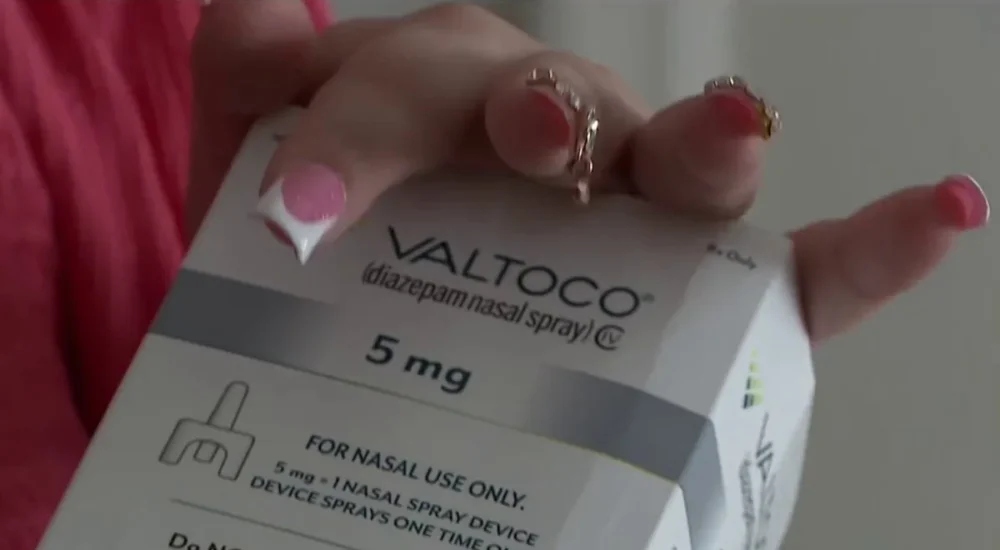
DALLAS, TX — A Texas mother’s desperate effort to find seizure medication for her son ended with an unexpected act of kindness that brought relief and gratitude. When her family faced a scary medication shortage, she reached out for help, hoping someone might know where to find the prescription her child needed.
That plea set off a response she likely did not expect. Instead of simply offering sympathy, one person stepped in and helped secure 24 bottles of the medicine, turning a stressful search into a moment of comfort for the family.
The story resonated because it centered on something many families understand: how vulnerable it feels when a child’s health depends on a medication that may suddenly be hard to replace. In this case, compassion made the difference.
How a medication emergency became a community response
The search began when the boy’s family realized they needed seizure medication and did not have enough on hand. For any parent, that kind of gap can quickly become frightening, especially when the medicine is tied to preventing seizures and keeping a child stable.
Rather than facing the problem alone, the mother asked for help. That decision opened the door to a wider response, as people learned about the family’s need and looked for a way to assist. What might have remained a private struggle instead became a shared effort to solve an urgent problem.
The outcome was practical as well as emotional. The family did not just receive encouragement; they received the medicine itself. In a situation where timing mattered, that support offered both immediate relief and a reminder that neighbors can still show up for one another in meaningful ways.
Why seizure medication shortages can feel so urgent for parents
For families managing epilepsy or another seizure condition, medication is not optional. It is part of a daily routine that helps reduce the risk of dangerous episodes and gives parents some peace of mind about what the next day may bring.
When a child runs low, the concern is not abstract. Parents have to think about doses, refill timing, and whether a pharmacy can fill the prescription quickly enough. Even a short delay can create stress, especially if the medicine is difficult to replace or if the family cannot easily get to multiple pharmacies.
This is why the mother’s search carried such urgency. It was not about convenience or a routine errand. It was about making sure her son had the medication he needed, without a break in treatment that could put him at risk.
The kindness that changed the outcome
The turning point came when someone responded with more than a kind word. The person helped provide 24 bottles of seizure medication, a generous gesture that transformed the family’s situation almost immediately.
That kind of help matters in a very direct way. It solves a real problem, but it also lifts a heavy emotional burden from a parent who has spent hours worrying about what to do next. In moments like this, generosity can be as important as the medicine itself because it restores a sense of control.
The donation also reflects how a single act can ripple outward. A person who may never have met the family still recognized the urgency and chose to help. That simple decision turned an anxious search into a story of relief, one bottle at a time.
What the family’s story says about neighbors helping neighbors
Stories like this often resonate because they feel familiar even to people who have never faced the exact same problem. Many Americans know what it is like to search for a prescription, make phone calls, or wait anxiously for a pharmacy to come through.
What stands out here is not just that help arrived, but that it arrived through human connection. A mother asked for help, and someone listened. That exchange is the heart of the story, and it is what makes the outcome feel so uplifting.
It is also a reminder that acts of kindness do not need to be large to matter. In this case, the gesture was specific, practical, and deeply timely. For the family, it meant medication in hand and one less fear hanging over their heads.
A small gesture with a large emotional impact
The family’s need was serious, but the ending brought real comfort. What began as a frantic effort to locate seizure medicine ended with enough support to meet the immediate need and ease a parent’s worry.
That is part of why the story stands out. It is not only about a prescription being filled; it is about people stepping in when a child’s health was on the line. In a fast-moving world, that kind of response can feel rare, which makes it all the more memorable.
For the mother, the help likely meant relief, gratitude, and the knowledge that she was not alone. For everyone who heard the story, it offered a simple but powerful example of community care: one person noticing a need and deciding to answer it.
The larger lesson in a single family’s relief
Although the details are specific to one Texas family, the lesson is broader. Medical needs can become urgent quickly, and even a short delay can create real fear for parents trying to protect their children.
This story also shows how a community can respond when that fear becomes visible. A request for help, an attentive neighbor, and a practical donation came together to meet the need. The result was not dramatic in a flashy way, but it was deeply meaningful to the people involved.
In the end, the most memorable part is the simplicity of the kindness. Twenty-four bottles of medicine may sound like a number, but for this family it represented safety, breathing room, and relief at a moment when they needed all three.
Real, uplifting stories from across America – GCHS Eagle's Eye.