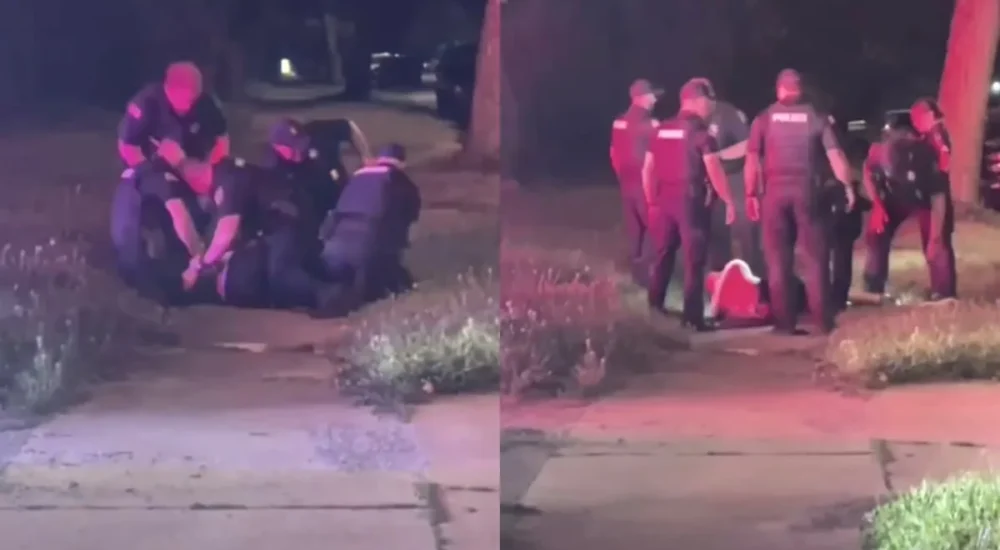
ARLINGTON, TX — A Texas man’s arrest has drawn fresh attention after video posted to TikTok showed an officer holding him face-down while he repeatedly asked why he was being arrested. In the clip, the man says he was told there was an active warrant for his arrest, then later learned the warrant had been inactivated.
The footage, shared by @majormike__, begins after the arrest is already underway. It shows an officer on top of him, pinning his arms above his head while another person off camera asks what the warrant is for. The exchange quickly turned into a broader debate online about whether the force used was appropriate and whether the man’s alleged attempt to run changed how viewers interpreted the encounter.
What the TikTok video shows from the start of the arrest
The video picks up in the middle of the confrontation, with the officer already restraining the man on the ground. The man can be heard asking several times to be put in handcuffs instead, saying he would not run. The officer refused, saying the man had already run once.
As the struggle continued, the man said he was uncomfortable and could not breathe. The officer told him to stop moving. When the man asked what he supposedly had a warrant for, the officer responded that he “knows what he has” but did not give a clear explanation in the clip. Backup later arrived, and two more officers helped him up and walked him to the patrol car.
The man says officers told him one thing, then changed course
In his caption, the TikTok creator said the officer never clearly told him he was being detained. He said he was only told that he had a warrant for his arrest. According to his account, the warrant was later described as inactive after he was already placed in the patrol car.
That claim became a major part of the conversation around the video, because it suggested a gap between what he believed he was being arrested for and what officers later said the warrant status was. The video itself does not show the full lead-up to the arrest, but the posted caption and the on-camera exchange are what viewers had to judge for themselves.
Viewers split over whether the restraint was too much
Many commenters reacted strongly against the way the officer held the man down. Some said the position looked dangerous and argued the officer should have used handcuffs sooner. Others said the man’s repeated claim that he could not breathe made the scene look excessive and unnecessary.
One commenter wrote that officers should not be laying on someone that way, while another said the man should at least have been allowed to be handcuffed instead of pressed down with the officer’s body weight. Several people focused on the physical risk of prolonged restraint and said that kind of force should not be used lightly during an arrest.
Race, policing, and the reactions the clip triggered
The video also stirred comments about race and policing. One viewer accused the officer of racism, while others pushed back and said the man had allegedly run from police, which they felt changed the context. The disagreement showed how quickly a short arrest clip can become part of a much larger argument about law enforcement tactics.
For some viewers, the arrest was not just about one encounter. They saw it as part of a pattern that people in communities of color have long criticized. The clip resonated because it seemed to capture a moment where trust, force, and explanation all collided at once, leaving viewers to weigh the officer’s actions against the man’s own account of what happened.
Questions about the warrant became the biggest flashpoint
Beyond the physical restraint, many viewers latched onto the warrant issue itself. Commenters questioned why the officer did not clearly explain the warrant during the encounter and why the man was allegedly told later that it had been inactivated. That detail fueled speculation that the arrest may have been based on information that was no longer current.
Some viewers went further and suggested the man could have grounds to seek legal action. Others criticized the person filming for not capturing the scene more cleanly, saying the camera work was not helpful as evidence. Even so, the main focus remained on whether the officer’s handling of the arrest matched the facts as the man says they were eventually explained.
Why the video connected so quickly with viewers
Short arrest videos often spread fast because they leave room for people to fill in the gaps with their own experiences and concerns. In this case, the combination of a disputed warrant, repeated questions about why the man was being arrested, and the officer’s decision to keep him pinned on the ground gave the clip immediate emotional force.
Supporters of the man said the video looked alarming because he was asking for answers while being restrained. Others said the officer appeared to be waiting for backup and did not strike him, which they saw as a sign the encounter was being handled within bounds. The reaction around the clip shows how one arrest can become a wider public conversation about force, communication, and accountability.
Real, uplifting stories from across America – GCHS Eagle's Eye.