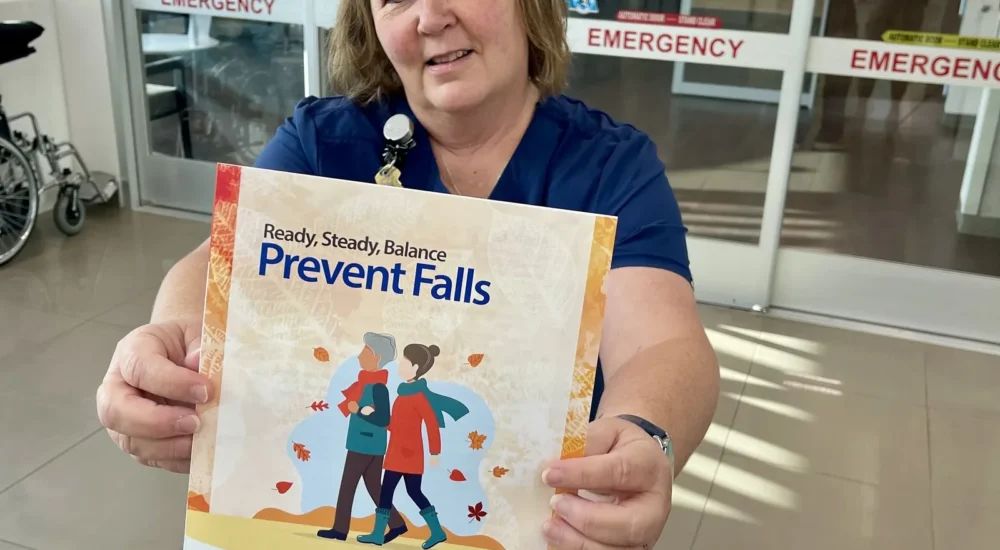
KEARNEY, NE — As autumn begins, CHI Health Good Samaritan is using the seasonal shift to remind older adults that falls are not an unavoidable part of getting older. The hospital says accidental falls remain a major threat to independence for seniors, and it is encouraging families to take prevention seriously before an injury happens.
Tracy Rademacher, RN, who works in trauma prevention at Good Samaritan, said many falls can be avoided by identifying everyday hazards and making small changes at home. Her advice centers on practical steps, from better lighting to regular health checkups, that can reduce risk without requiring major spending or complicated equipment.
The message comes as fall starts to bring more attention to slippery sidewalks, darker evenings and other common hazards. Good Samaritan is also sharing fall safety materials with community organizations throughout the month.
Why falls are such a serious risk for older adults
Good Samaritan points to Centers for Disease Control and Prevention data showing that falls are the leading cause of death for people over 65. The CDC also reports about 4.5 million emergency department visits each year tied to falls, underscoring how often these incidents send older adults to the hospital.
The health system says the danger is not limited to bruises or temporary pain. Falls are closely linked to hip fractures, and the CDC says 83% of hip fracture deaths are directly connected to falls. That makes prevention important not only for immediate safety, but also for long-term recovery and independence.
Rademacher said the risk should not be dismissed as a normal part of aging. Her message is that many of the conditions that lead to a fall can be changed or managed before someone gets hurt.
Small changes at home can remove common hazards
Rademacher recommends starting with the home, where many preventable falls happen. She suggests clearing hallways and rooms of loose items, cords and throw rugs that can catch a foot or create an unexpected obstacle.
She also advises fixing broken or uneven steps, sidewalks and floors so walking surfaces are as steady as possible. Good lighting matters too, especially in stairways and on the path to the bathroom, where people may move quickly at night or in dim conditions.
Another part of her advice is to add support where it is needed. Grab bars in bathrooms and secure handrails on all staircases can give people something stable to hold onto during routine movement through the house.
Footwear and daily habits can lower the chance of a slip
Good Samaritan’s guidance also includes what older adults wear day to day. Rademacher recommends sturdy, nonslip shoes both inside and outside the home, and she specifically advises against high heels, slippers and shoes with slick soles.
That advice reflects a simple idea: stable footing matters just as much as clean floors and good lighting. A shoe that grips the ground well can make ordinary tasks, like moving through a kitchen or stepping outside for mail, less likely to turn into a dangerous slip.
The hospital’s safety message is meant to be practical rather than overwhelming. Even a few small changes, taken together, can make a home feel safer and help older adults remain more confident on their feet.
Talking to a doctor about balance, medications and past falls
Rademacher also wants seniors to speak openly with a medical professional about any previous falls, unsteadiness or concern about falling. She says these conversations can help identify problems before they lead to another injury.
At yearly appointments, she encourages older adults to review all medications with a provider to see whether any could cause dizziness or affect balance. She also recommends routine checks of vision, hearing and foot health, since problems in any of those areas can affect stability.
Beyond screening, she points to balance and strength exercises as another layer of protection. Bone-strengthening activity and regular exercise can help maintain core strength and stability, both of which matter when trying to stay upright on uneven ground or in a crowded room.
Good Samaritan is taking the message into the community this month
Good Samaritan says Rademacher is sharing fall prevention and safety materials with community organizations and local services during the month. That outreach is part of a broader effort to make the information accessible beyond the hospital setting.
The hospital is framing the campaign around education and early action. Rather than waiting for a stumble to reveal a problem, it is encouraging older adults and their families to look at the home, footwear, medications and routine medical care together as part of one prevention plan.
For people who want more background on fall statistics and safety resources, Good Samaritan directs them to the CDC’s falls information at CDC.gov/falls. The larger message is simple: a safer environment, regular health attention and honest conversations can help older adults stay independent longer.
Real, uplifting stories from across America – GCHS Eagle's Eye.